


RML2future Press releases

Language diversity – without leaving the small ones behind

Language network RML2future meets for regional conference in Eupen, Belgium

Download Pdf

The European Union set some ambitious goals in the field of multilingualism and linguistic diversity. But people often fail to see that multilingualism in Europe is more than “just” the official state languages in the member states. There is much more linguistic diversity than most Europeans think; the linguistic diversity of regional and minority languages. This linguistic diversity is severely threatened; many small and smaller regional or minority languages are struggling for their survival.

The partners in the network “RML2future”, under auspices of FUEN (Federal Union of European Nationalities), saw it as their task to use the support for languages offered by the EU for the regional and minority languages as well and to call attention for the very own competences of the European minorities in the multilingual regions of Europe.

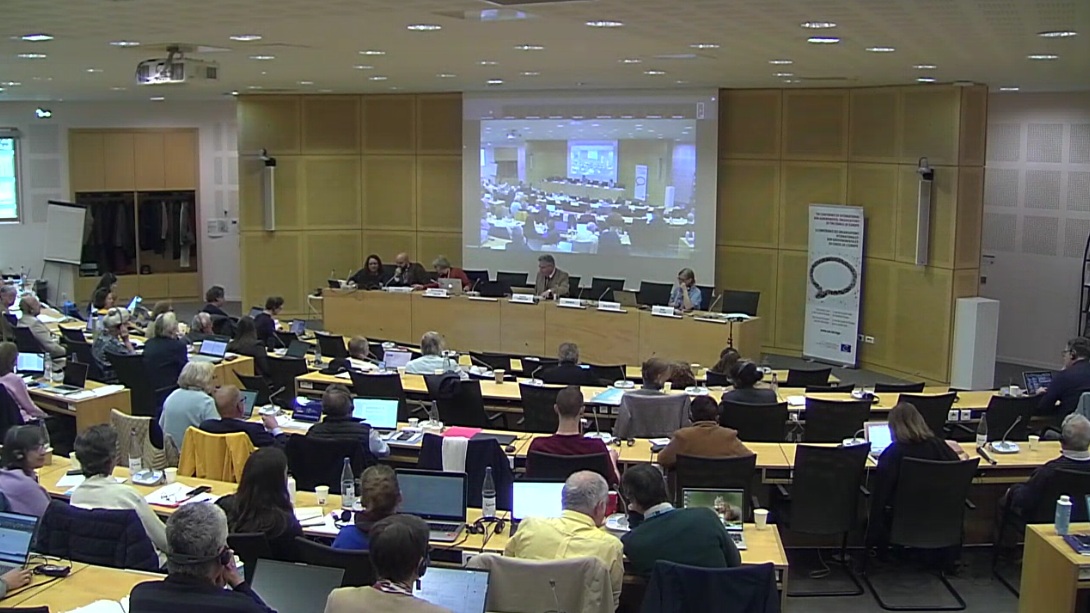
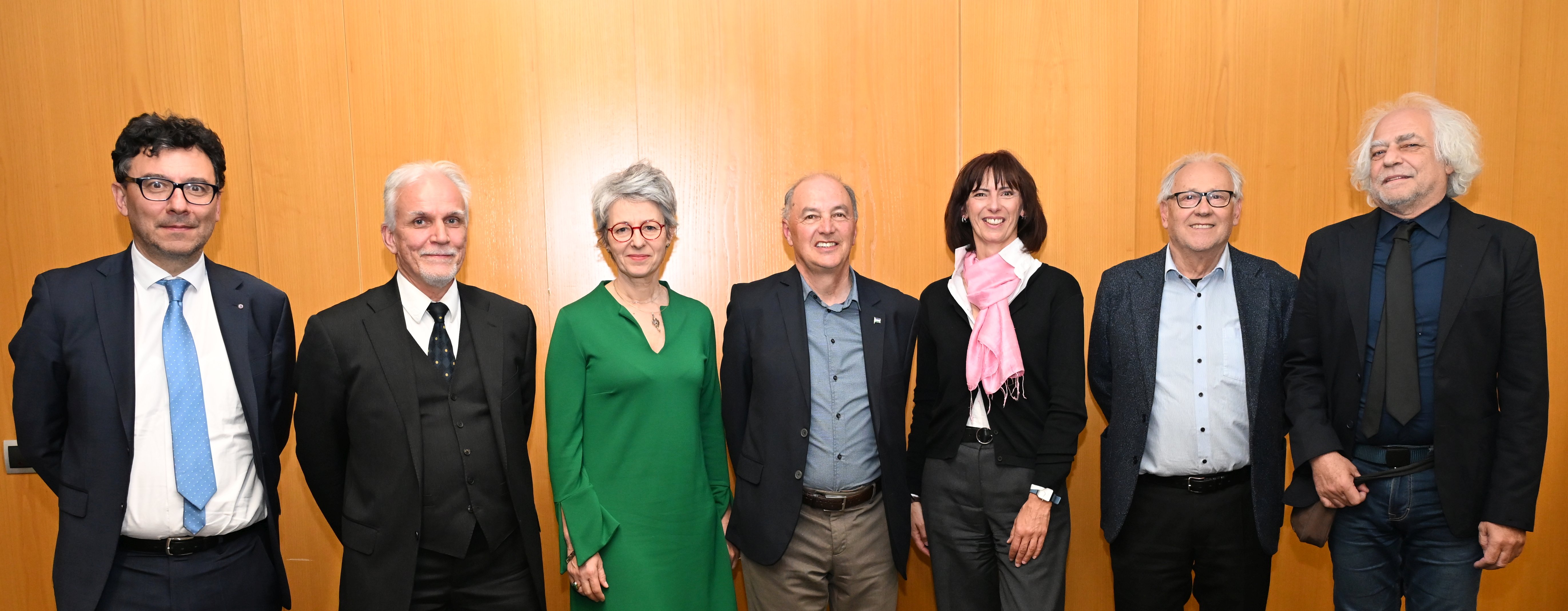
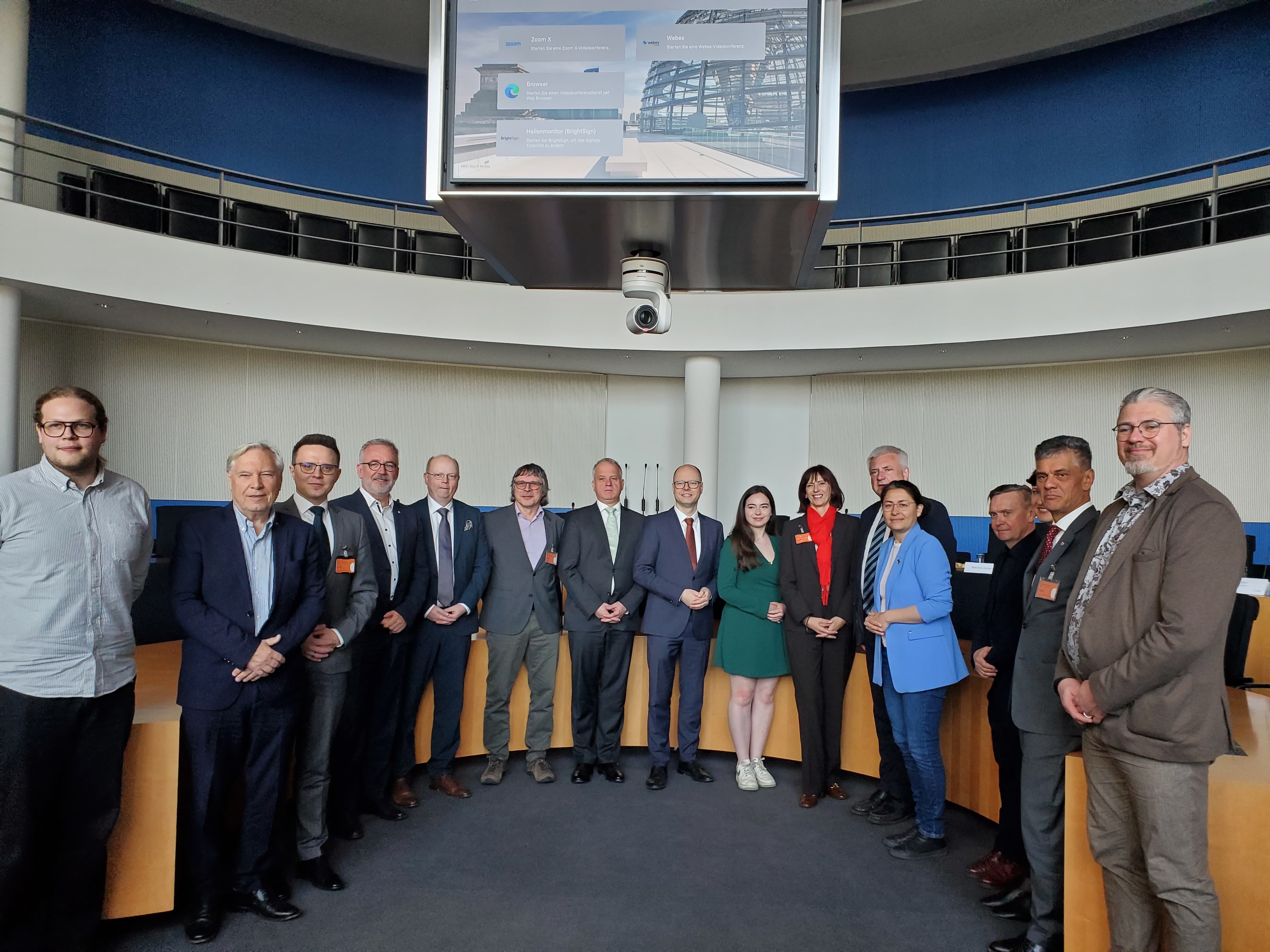
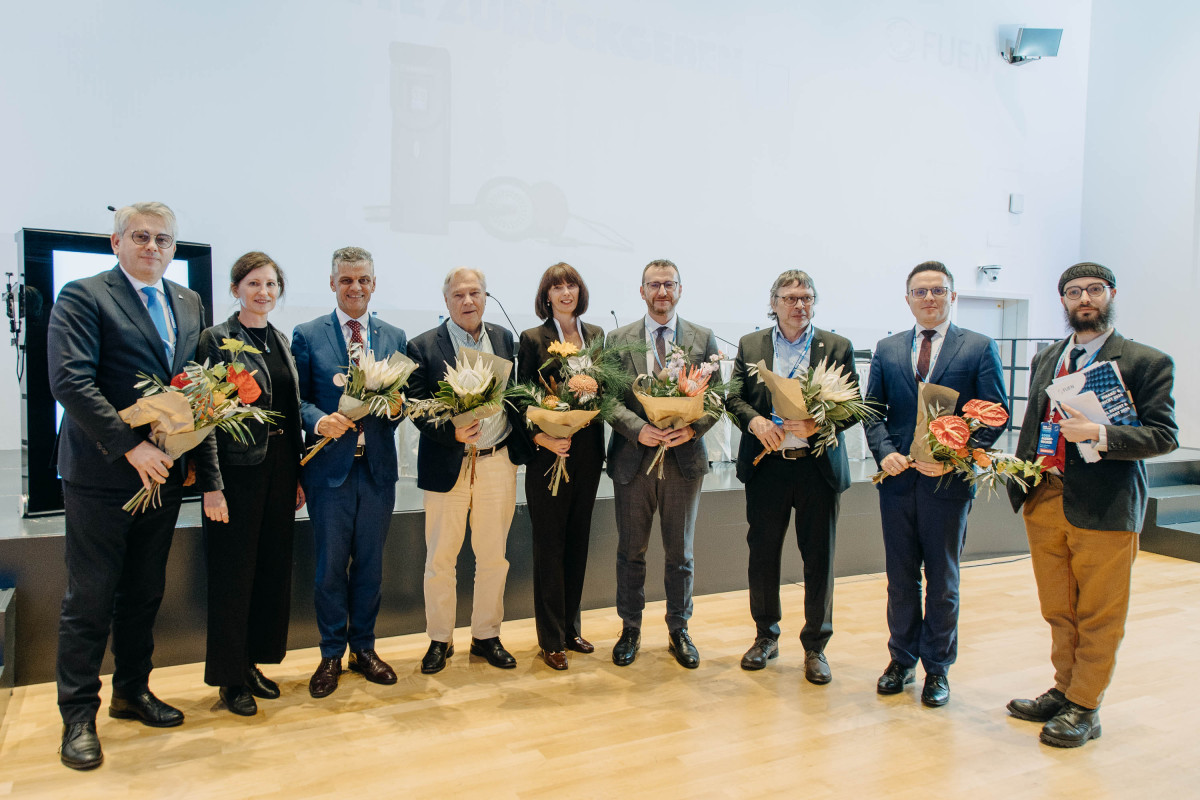
An important starting point for this approach is the regional conference in Eupen, which will take place from 8th to 10th February 2010. The main subjects are methods of language certification and testing of language skills and also European language policy (see programme).

The German-speaking Community in Belgium is host of the first regional conference and the circa 60 participants from various multilingual regions can expect a diverse programme. The participants are from the German-Danish border region, North Frisia and Lusatia in Germany, from Carinthia and Burgenland in Austria, West Frisia in the Netherlands, South Tyrol in Italy, Graubünden in Switzerland and the German-speaking Community in Belgium.

“We expect exchange between the participants, who all bring different experiences from their work with regional and minority languages. We plan to delve mainly in the field of language certification and testing of language skills, in the form of workshops, lectures and discussion rounds. We will speak about the DELF-test, but also the PISA-test method, the European Language Passport and other good examples”, according to Edgar Hungs from the German-speaking Community.

The European Commission will also be at the conference; member of cabinet Johan Häggman will tell the participants about European multilingualism policy.

“We expect that this first conference will also be the start for our network – we want to bring together practitioners, scholars and politicians from all over Europe, and disseminate knowledge and best practices. At the end of our three-year network project we want to have established a competence centre for regional and minority languages in Europe”, explains Judith Walde, who is the project manager responsible for the network.

The conference will end with a concluding speech by the Minister for Education, Training and Employment of the German-speaking Community, Oliver Paasch, on Wednesday 12th February.

Contact

Edgar Hungs:
edgar.hungs@aebp.be
0032 (0) 87596384
0032 (0) 473137782

Judith Walde:
judith.walde@fuen.org
0049 (0) 173 9936731

More information about the network at:

www.rml2future.eu/news/index_de
www.dglive.be/agentur/

Eupen, 4th February 2010

Download: Programme

Information about the network RML2future

The network RML2future is dedicated to the promotion of multilingualism and linguistic diversity in Europe, actively involving regional and minority languages (RML).

The main aim of the network is to promote the Europe objective of multilingualism, namely that each European citizen learns his own mother language and two additional languages. The network does so by using the European regional and minority languages and trying to exploit this resource of natural bilingualism and multilingualism. The potential of multilingual regions should be used in order to reach the European objective and in regard to the value of multilingualism and its positive effect for the preservation of linguistic diversity.

In order to use the regional potential for education the network, in cooperation between practitioners, experts and decision makers, wants to create language-friendly environments in the regions, including the minority languages. It does so by building up know-how in the field of language planning and language policy amongst those people who are involved.

For this on a regular basis expert conferences are organised within the three years duration of the network, which is supported by the European Union.

The network is supported by European Commission
and the Autonomous Region Trentino-South Tyrol.
This project is funded with support from the European Commission. This publication reflects the views only of the author, and the Commission cannot be held responsible for any use which may be made of the information contained therein.