





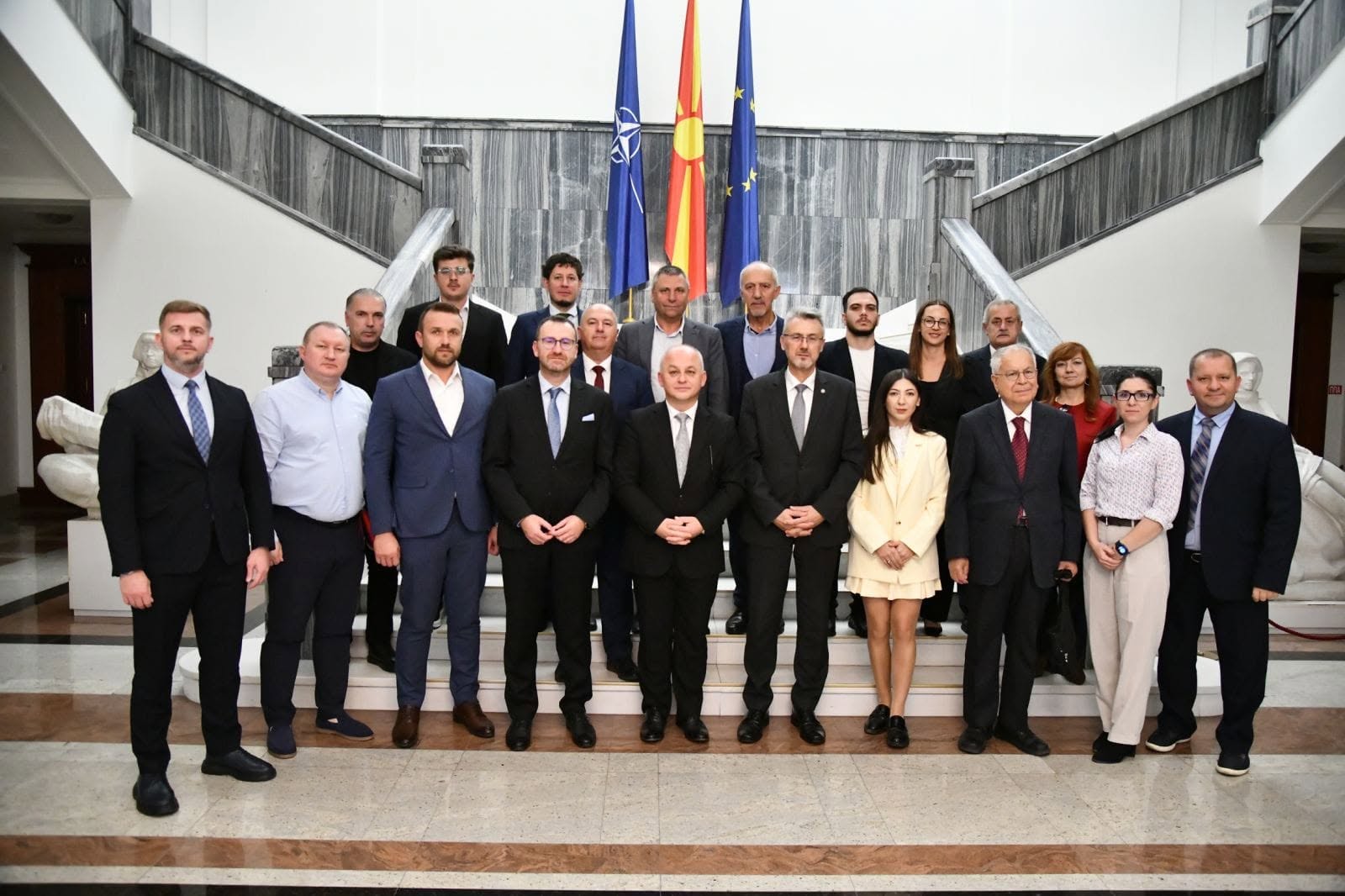
The 12th Annual Meeting of FUEN TAG was hosted by the Turks of North Macedonia








The 12th Annual Meeting of FUEN TAG was hosted by the Turks of North Macedonia
Minorities and Artificial Intelligence: Bringing Dialects to Life in the Digital Era
19.10.2026
Minorities and Artificial Intelligence: Coding Heritage into the Digital Age
16.10.2026
Turkic minorities and communities are gathering in Skopje, the capital of North Macedonia
13.10.2026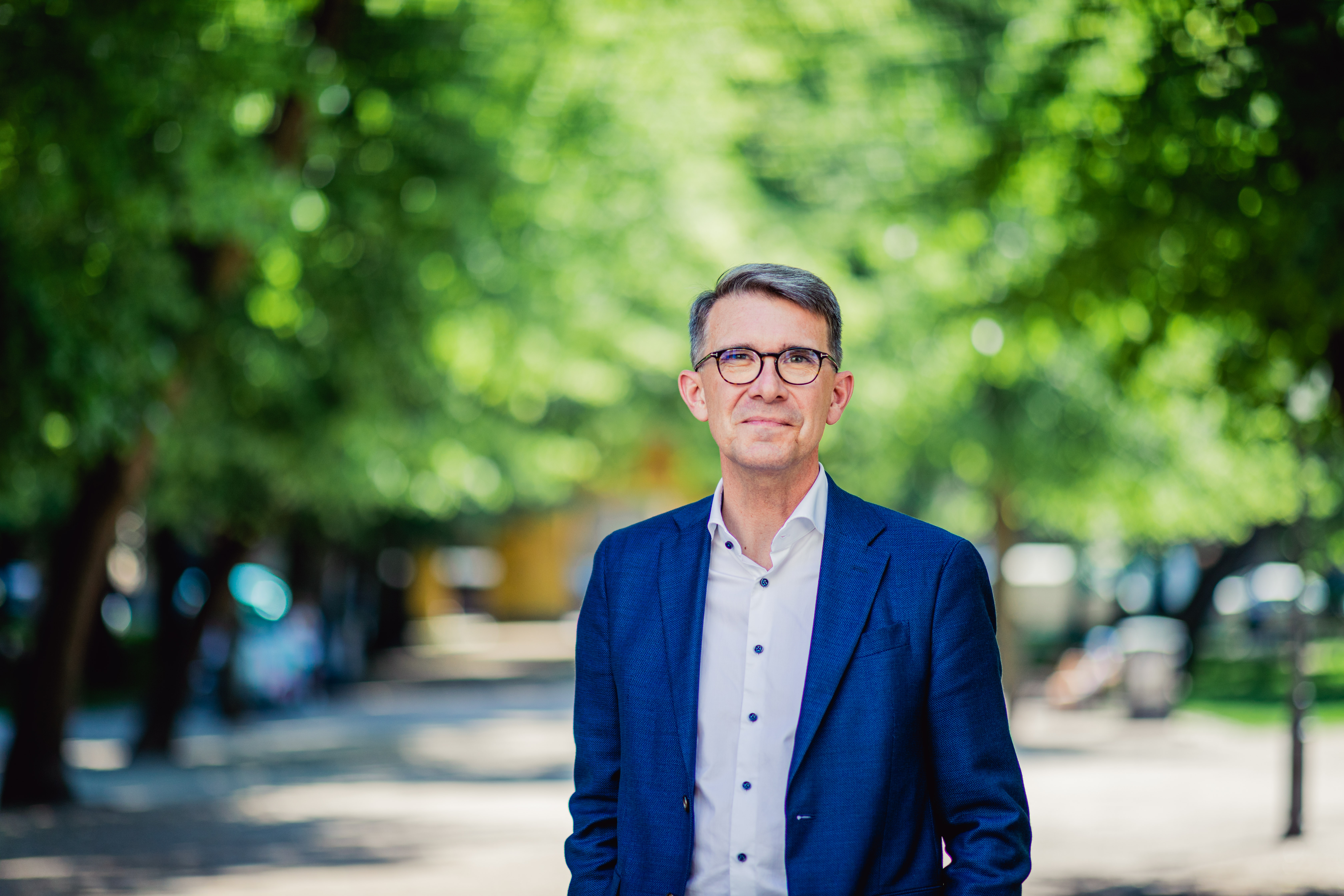
Björn Teir: What we do not digitize today is not visible to the world tomorrow
13.10.2026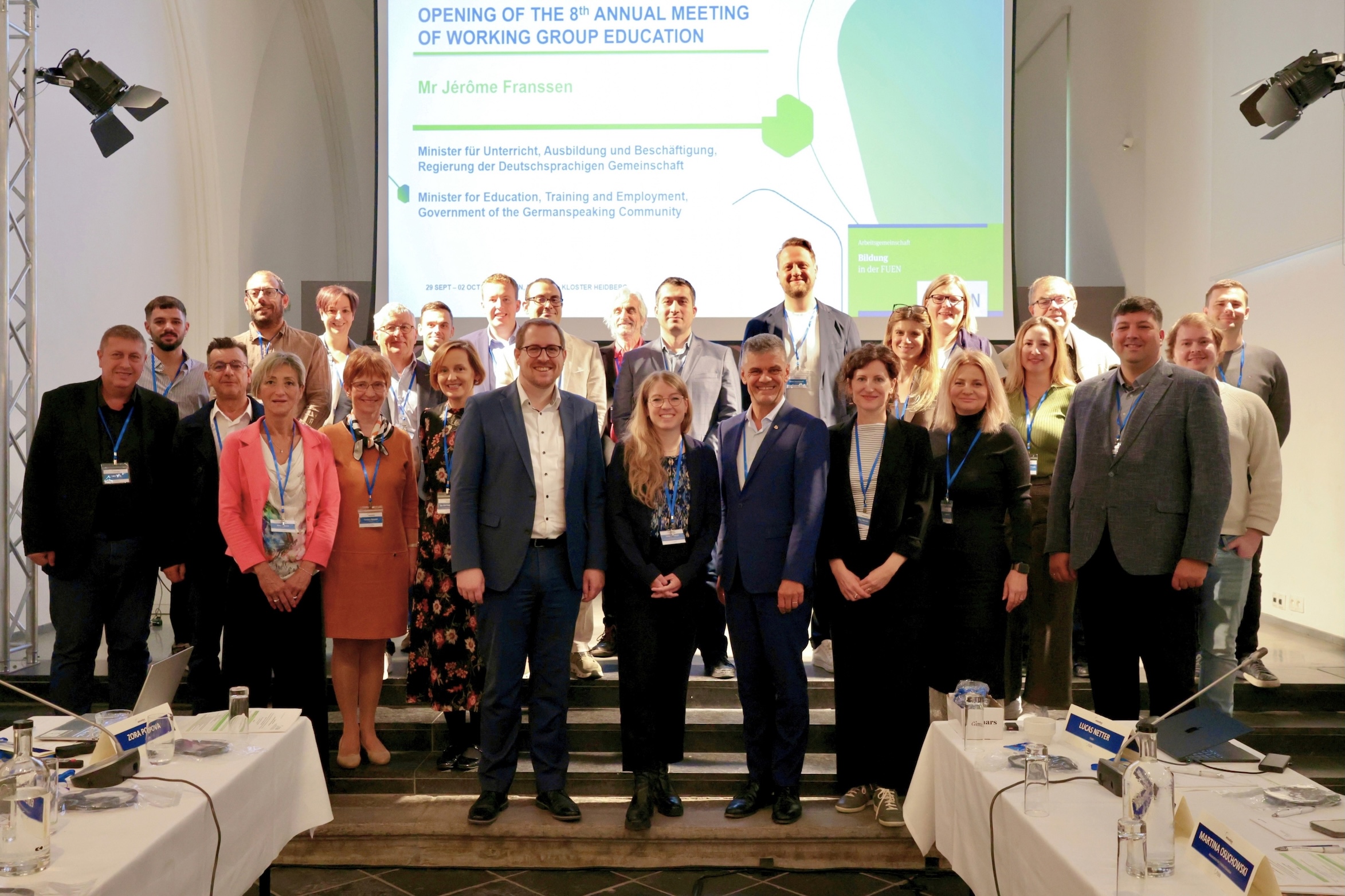
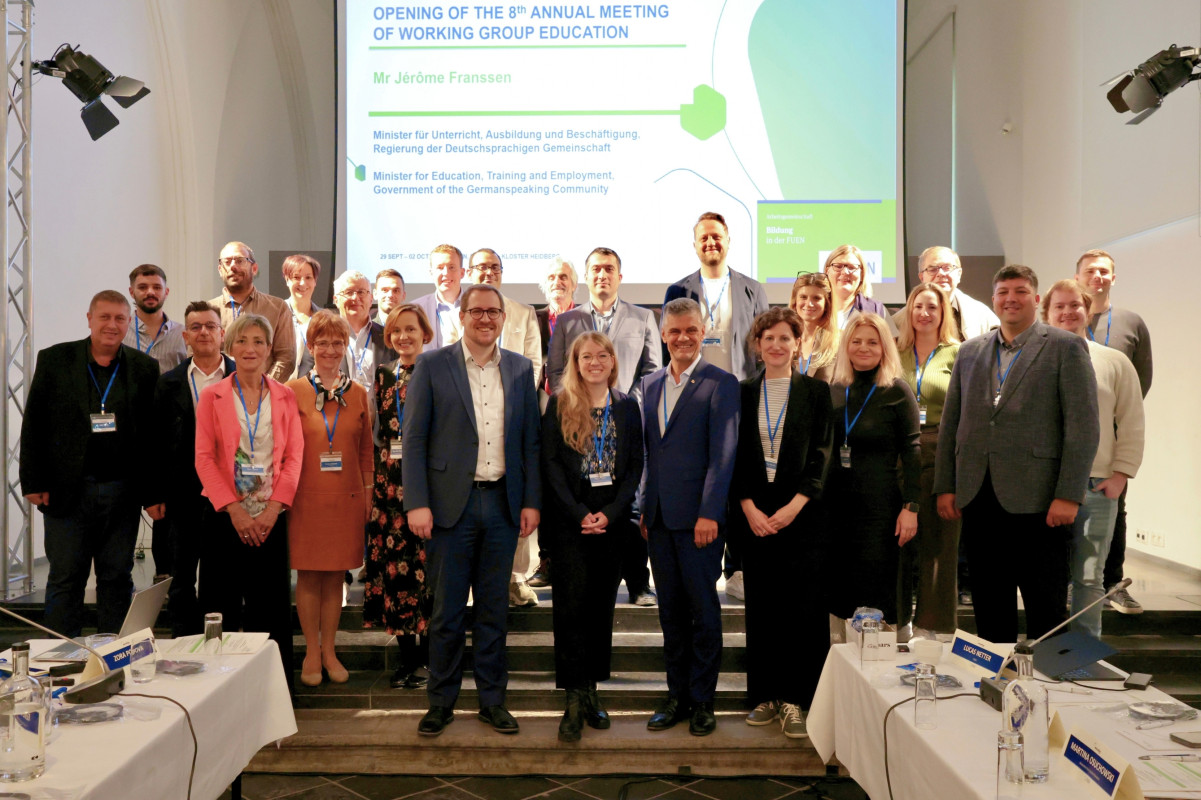
8th Annual Meeting of the FUEN Working Group on Education: vocational education, minority languages and AI in focus
05.10.2026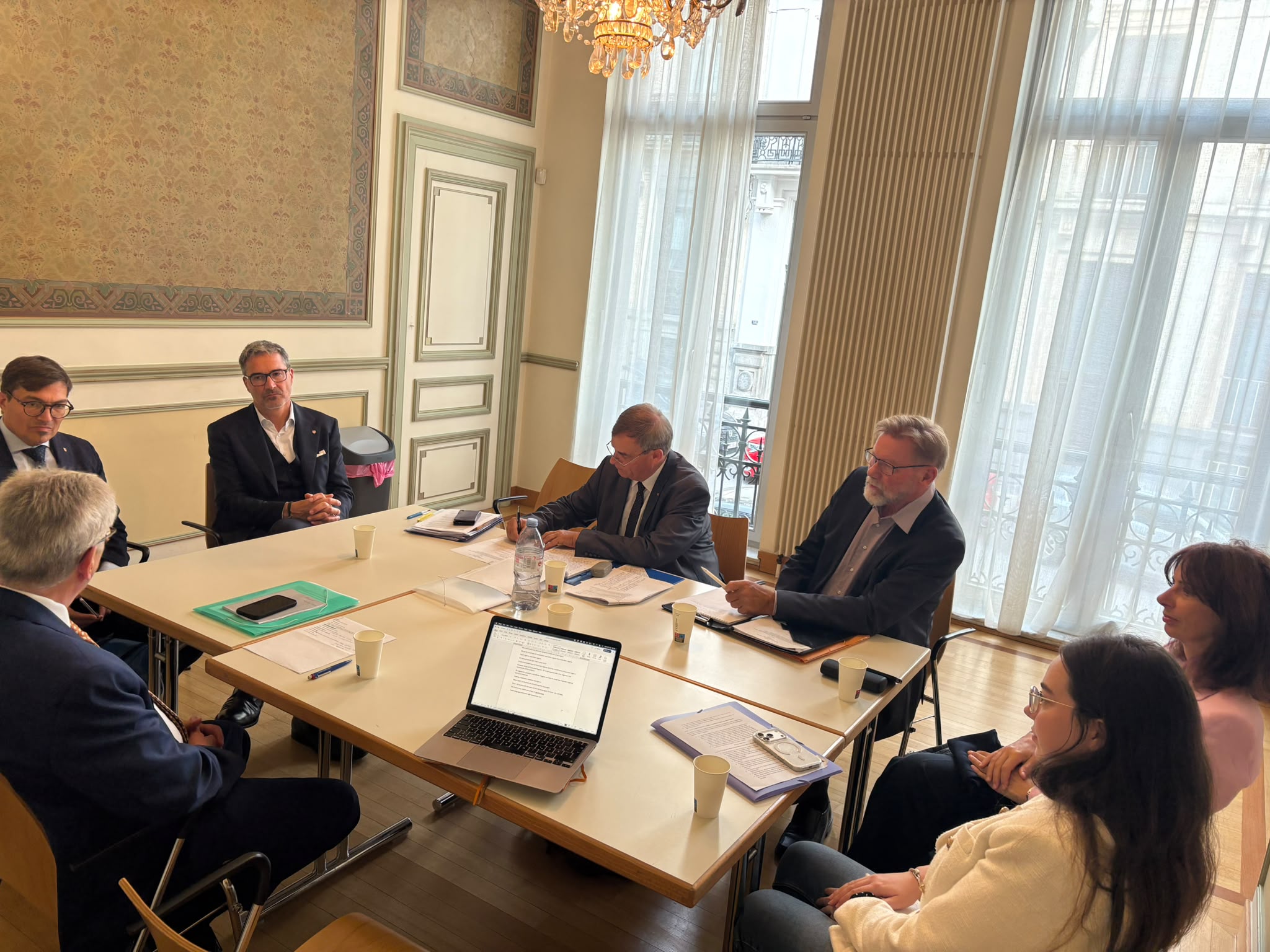
FUEN discussed minority issues with EU institutions in Brussels
01.10.2026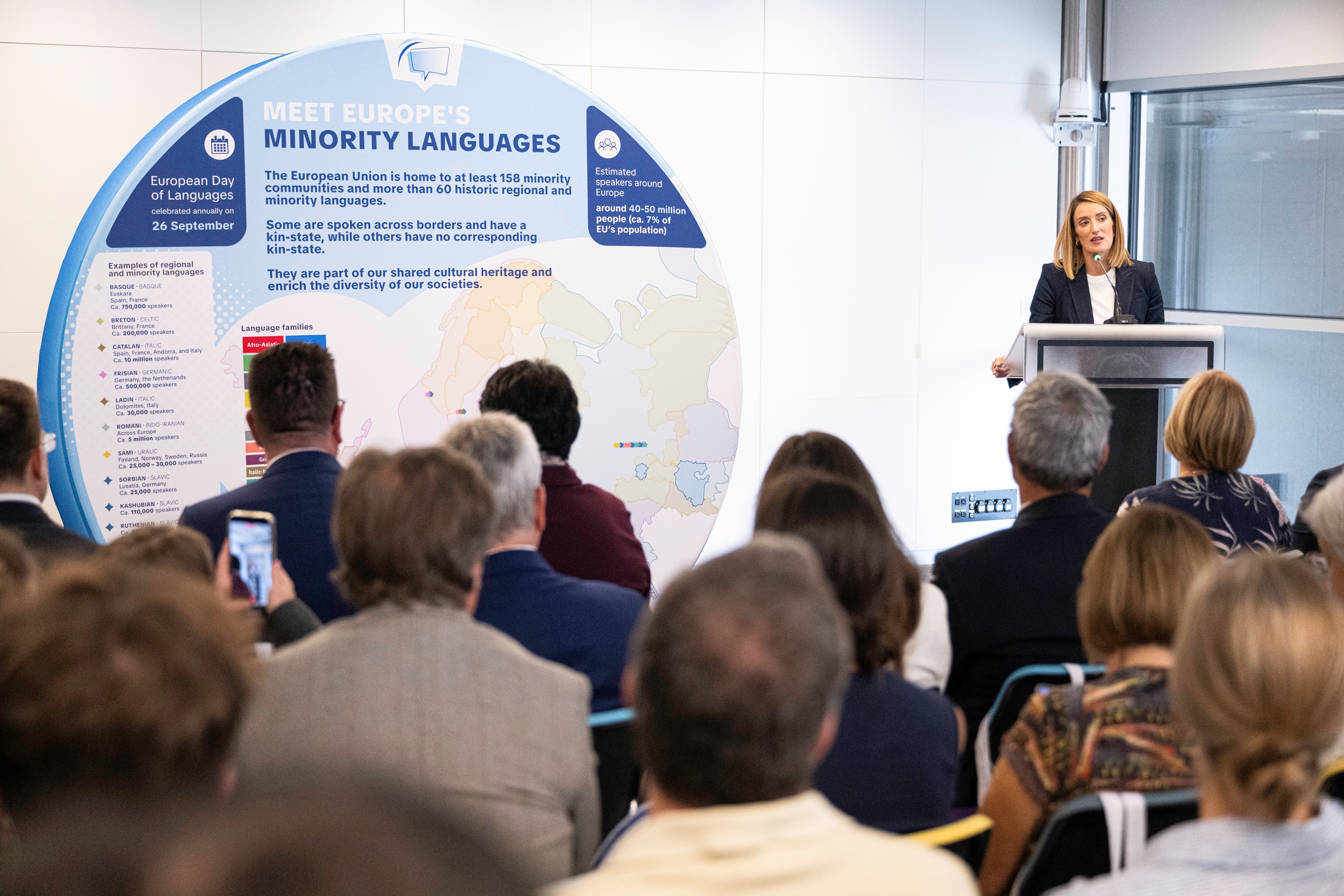
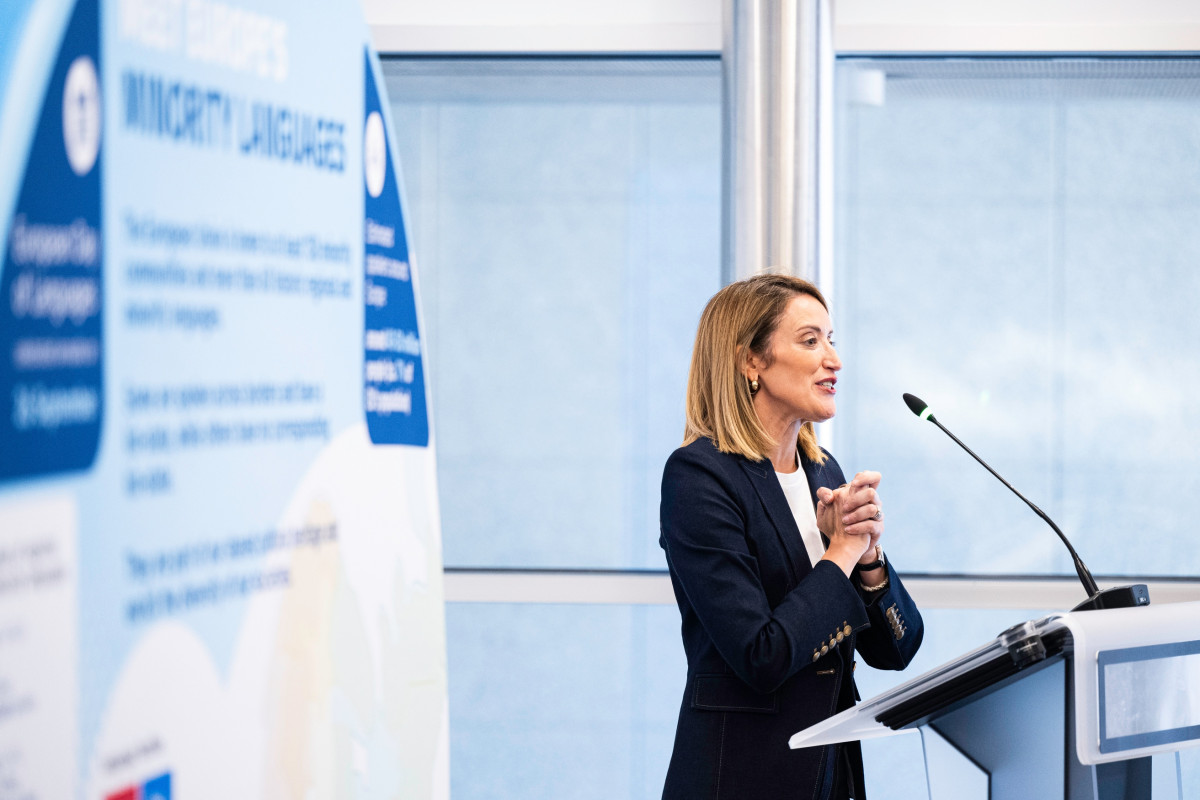
FUEN exhibition opens at the European Parliament: putting minority languages on the European agenda
30.09.2026 2.jpg)
FUEN Working Group on Education meets in Eupen: Focus on vocational education, minority languages and AI
23.09.2026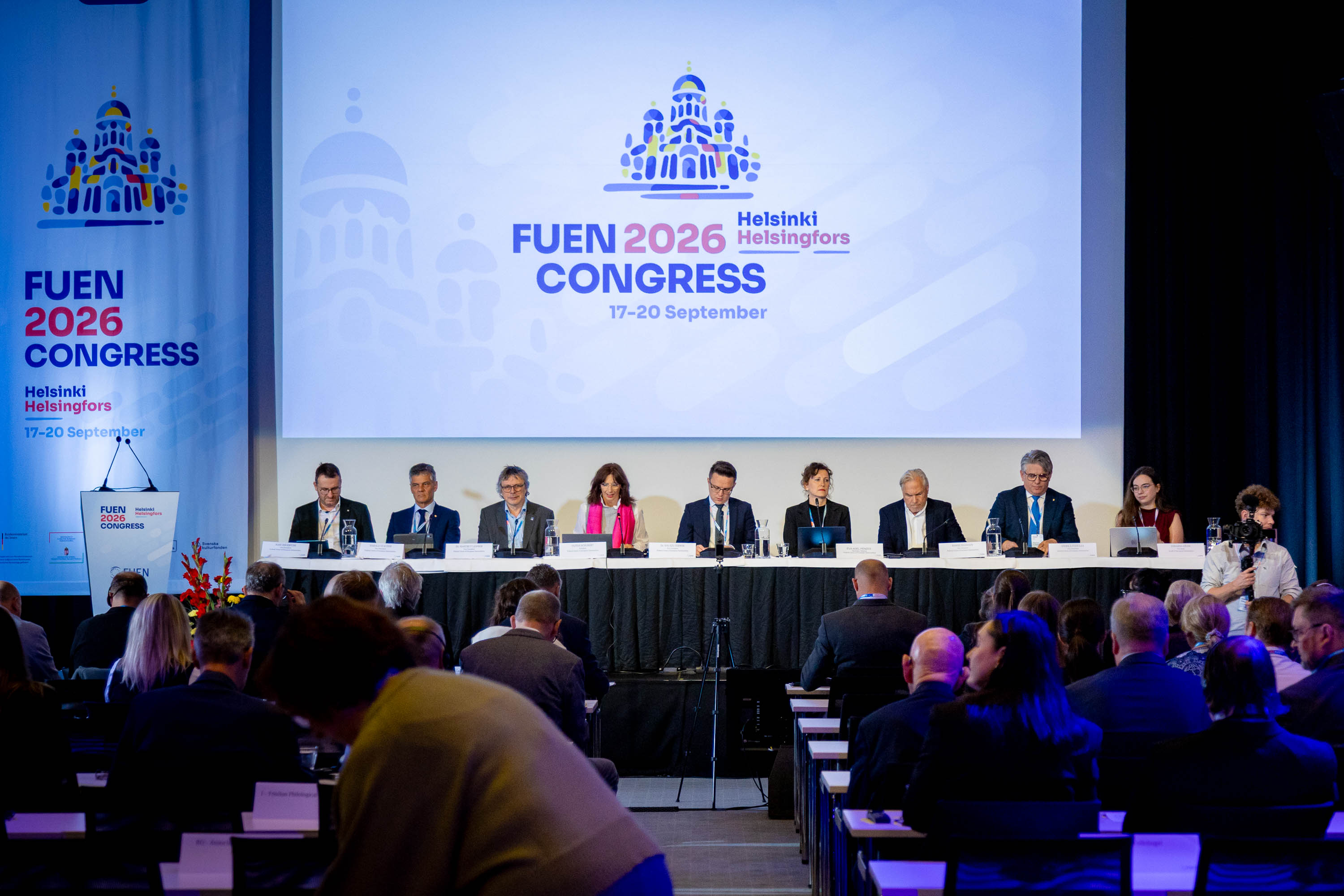
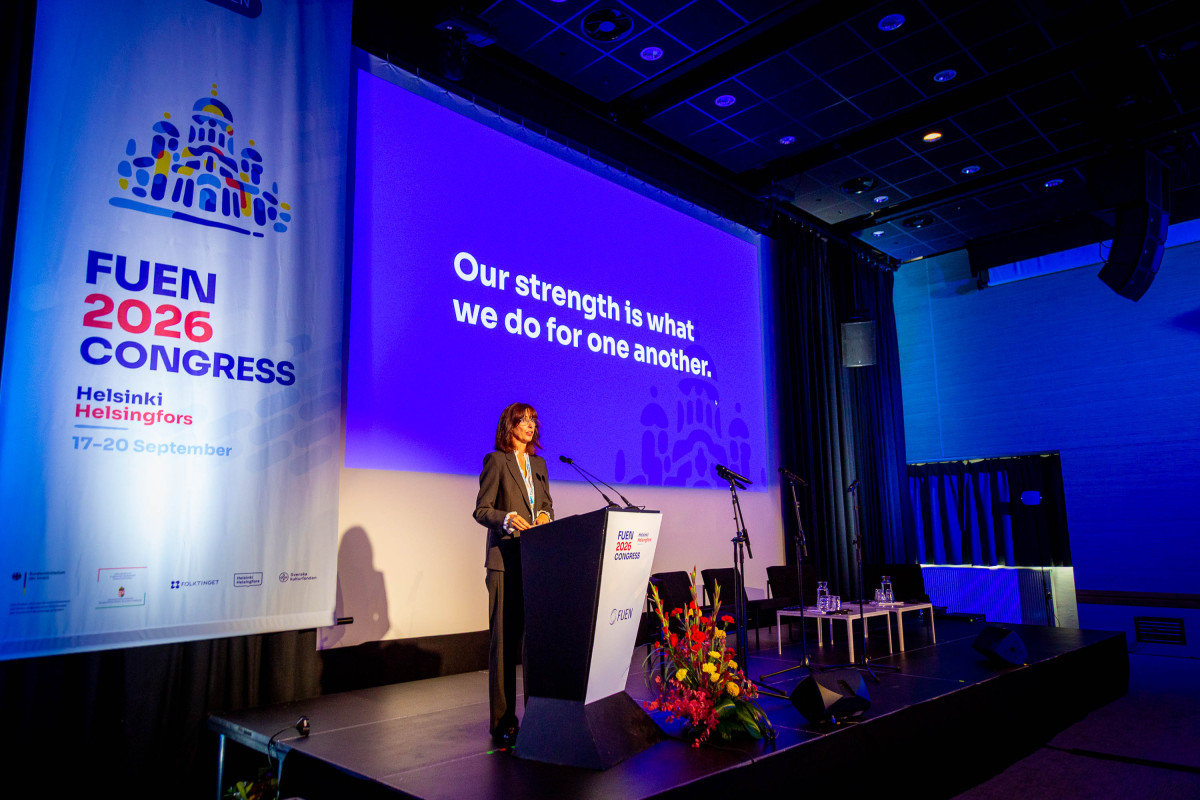
FUEN Assembly of Delegates 2026 calls for greater inclusion of minority languages in artificial intelligence
20.09.2026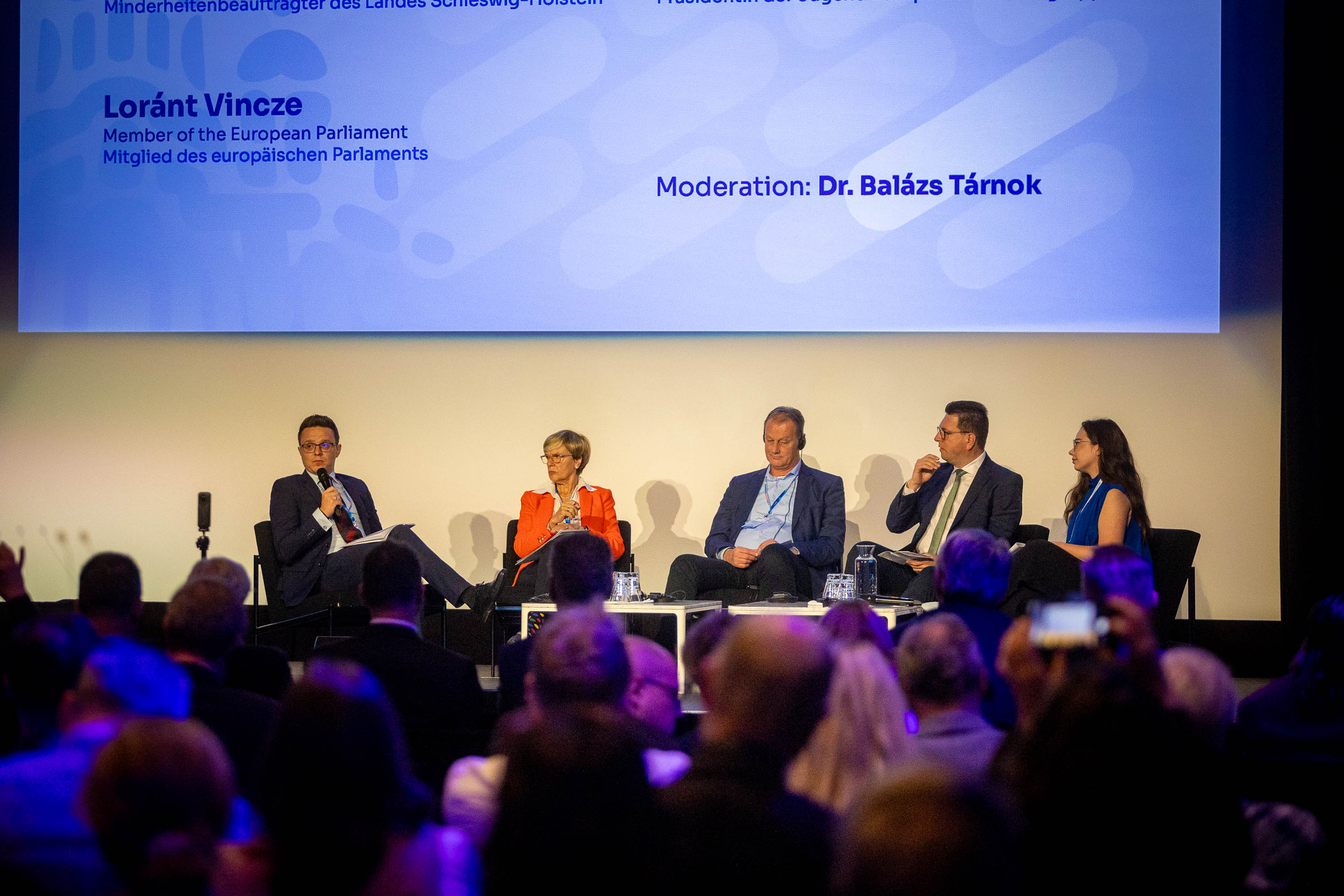
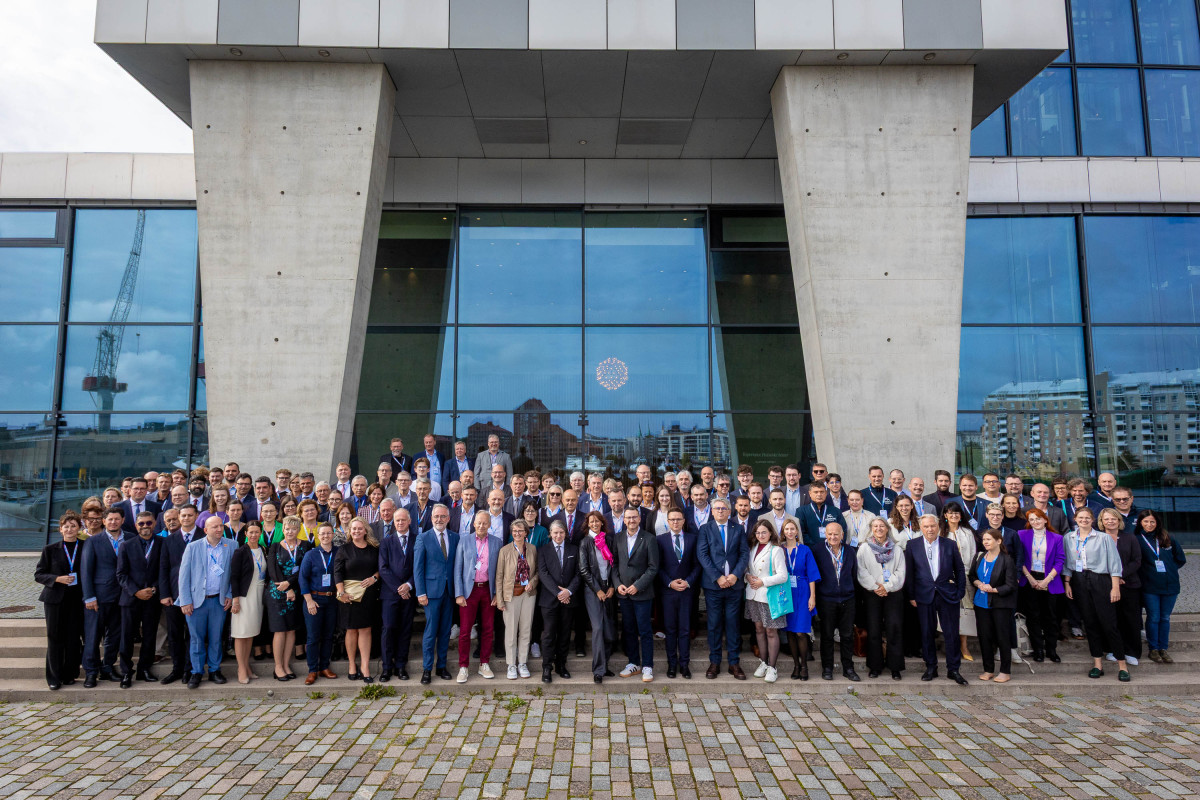
FUEN Congress discusses geo-blocking and the protection of minority languages
18.09.2026 Videos
FUEN Congress 2026 Aftermovie
13.10.2026FUEN Congress 2026 in Helsinki - Helsingfors - DAY 3
19.09.2026FUEN Congress 2026 in Helsinki - Helsingfors - DAY 2
19.09.2026FUEN Congress 2026: Boundaries online and brands without borders
18.09.2026FUEN Congress 2026 in Helsinki - Helsingfors - DAY 1
18.09.2026Women’s choir Lyran @FUEN Congress 2026
17.09.2026 Gallery
8th Annual Meeting of the FUEN Working Group on Education (29 September – 2 October 2026 / Eupen, Belgium)
European Day of Languages 2026 - FUEN exhibition in the European Parliament
FUEN Congress 2026 - DAY 3
FUEN Congress 2026 - DAY 2
FUEN Congress 2026 - DAY 1
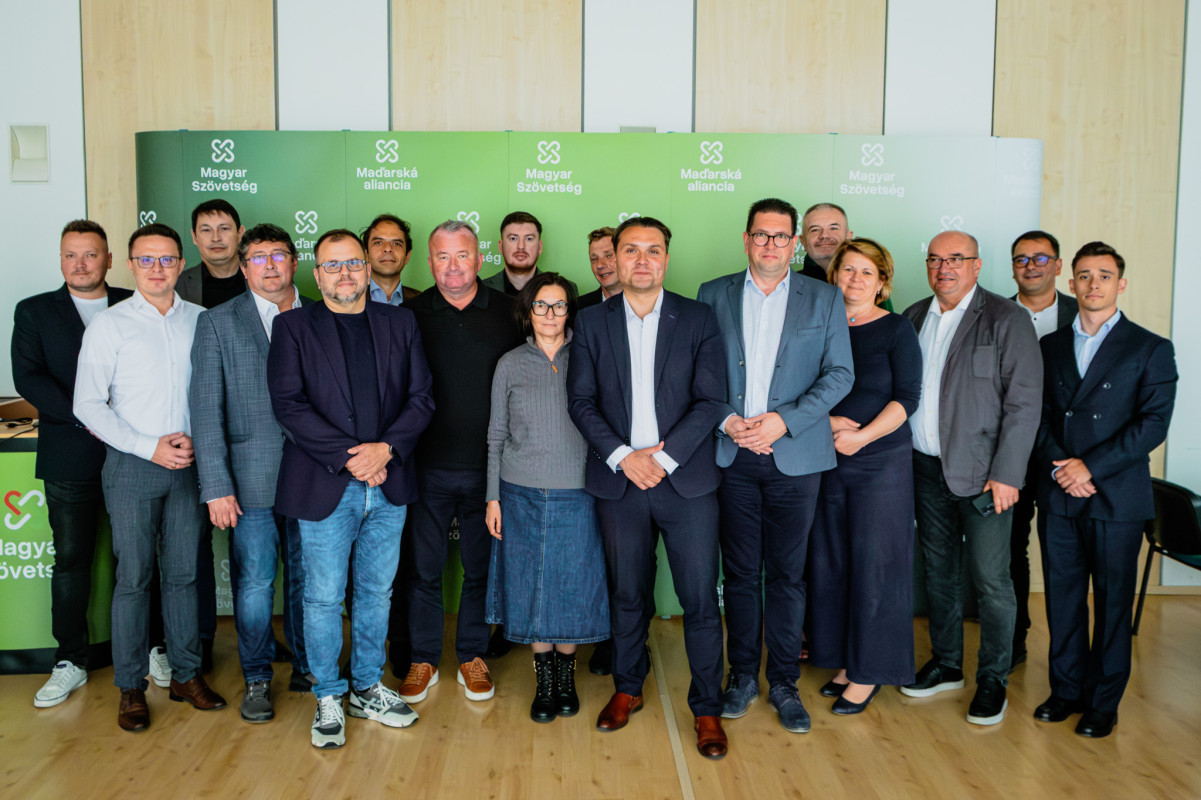
FUEN MKM - Hungarian Working Group 2026 Annual Meeting in Bratislava
The Federal Union of European Nationalities (FUEN) represents the interests of the European minorities - on regional, national and in particular on the European level. With more than 100 member organisations in 38 European countries, FUEN is the largest European umbrella organisation of the autochthonous, national minorities in Europe.
moreWe are working on several projects with more than 100 member organisations in 36 European countries.
Forum of European Minority Regions EUROPEADA 2024 MUTE HATE Congress Women of Minorities Minority Monitor Minority SafePack